Win a Dräger
Alcotest 4000
Drug & Alcohol Testing Services
Our Solutions
Drug & Alcohol Testing Services
Drug & Alcohol Testing Types
3 minute read
News
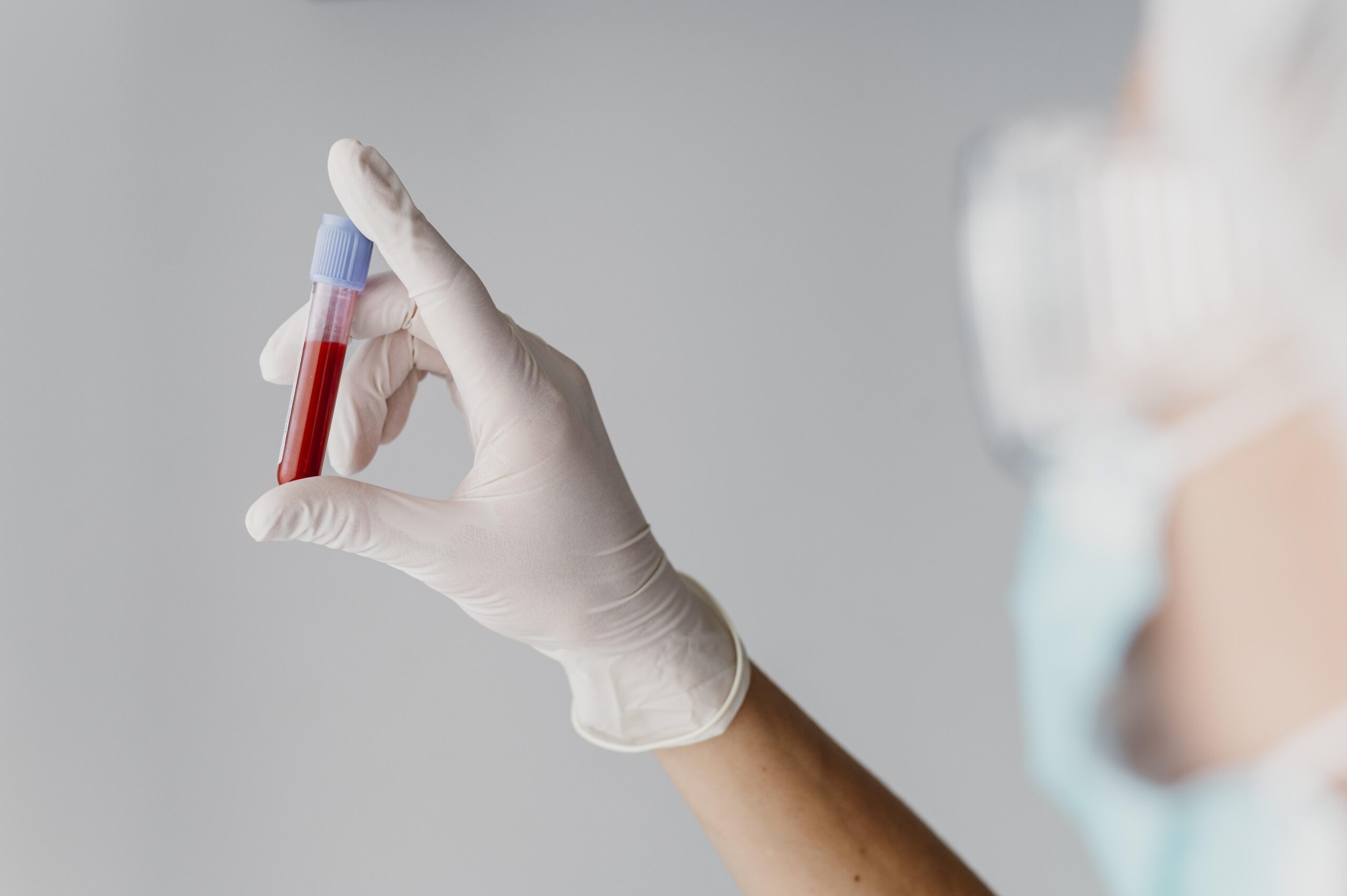
When it comes to understanding alcohol consumption, sometimes a small blood sample can reveal quite a lot.
Blood testing has become an increasingly useful option for identifying alcohol consumption over a longer period, offering valuable insight into patterns of use rather than simply what might have happened in the hours before a test.
And it doesn’t necessarily mean a traditional blood draw or filling several vials! Depending on the testing method, a simple finger-prick sample can be enough. 👀
One of the key options for alcohol testing is PEth (Phosphatidylethanol).
PEth is a biomarker that forms in the blood when alcohol is consumed. It is particularly useful because it remains detectable long after alcohol itself has left the bloodstream.
Typically, PEth can provide a detection window of around 2–4 weeks, sometimes extending to approximately 30 days.
This means a blood sample can provide insight into alcohol consumption over the preceding weeks, making it particularly valuable when the objective is to monitor progress or understand longer-term patterns of drinking.
PEth testing can also measure the concentration of the biomarker present in the sample. These levels can help indicate the extent of alcohol exposure, although they cannot provide an exact calculation of how much someone has consumed or precisely when.
One of the advantages of modern blood testing is that there are different ways to collect a sample.
Depending on the laboratory and the analysis required, options can include:
🩸 Finger-prick collection: A small blood sample is collected from the fingertip, often onto a specialist dried blood spot card. It’s a straightforward approach that avoids the need for a conventional blood draw.
💉 Venous blood collection: A sample is taken directly from a vein and sent for laboratory analysis. This can be appropriate where more extensive testing or additional measurements are required.
The right collection method depends on the test being requested and the laboratory’s requirements.
Yes. Blood testing can also incorporate other alcohol-related biomarkers, depending on the purpose of the assessment.
One example is CDT (Carbohydrate-Deficient Transferrin), which can help identify patterns associated with sustained heavy alcohol consumption over recent weeks.
However, PEth remains a particularly useful option when looking for a more direct indication of alcohol exposure over an extended period.
There are several situations where blood-based alcohol testing can provide valuable information:
🔄 Recovery programmes – helping monitor progress and changes in alcohol consumption over time.
🤝 Ongoing support – providing additional information when concerns around alcohol use have been raised.
📊 Monitoring programmes – helping establish a picture of alcohol exposure across an agreed period.
🏢 Workplace and health assessments – supporting appropriate monitoring arrangements where alcohol testing forms part of a wider assessment.
As with any testing method, results need to be interpreted in context. A positive or elevated result isn’t the whole story, and testing should always be considered alongside appropriate professional guidance and support.
Ultimately, blood testing offers more than just a laboratory result. It provides an opportunity to understand alcohol exposure over a longer period and, where appropriate, monitor changes over time.
At OdiliaClark, we recognise that testing is only one part of the picture. Understanding the results, recognising when someone may need support and having the right help available are just as important.
Because behind every sample is a person, and the aim should always be to combine reliable testing with understanding, dignity and the right support.
A small sample can tell us a lot. What matters is how we use that information. 💚


 Back to all