Win a Dräger
Alcotest 4000
Drug & Alcohol Testing Services
Our Solutions
Drug & Alcohol Testing Services
Drug & Alcohol Testing Types
3 minute read
News
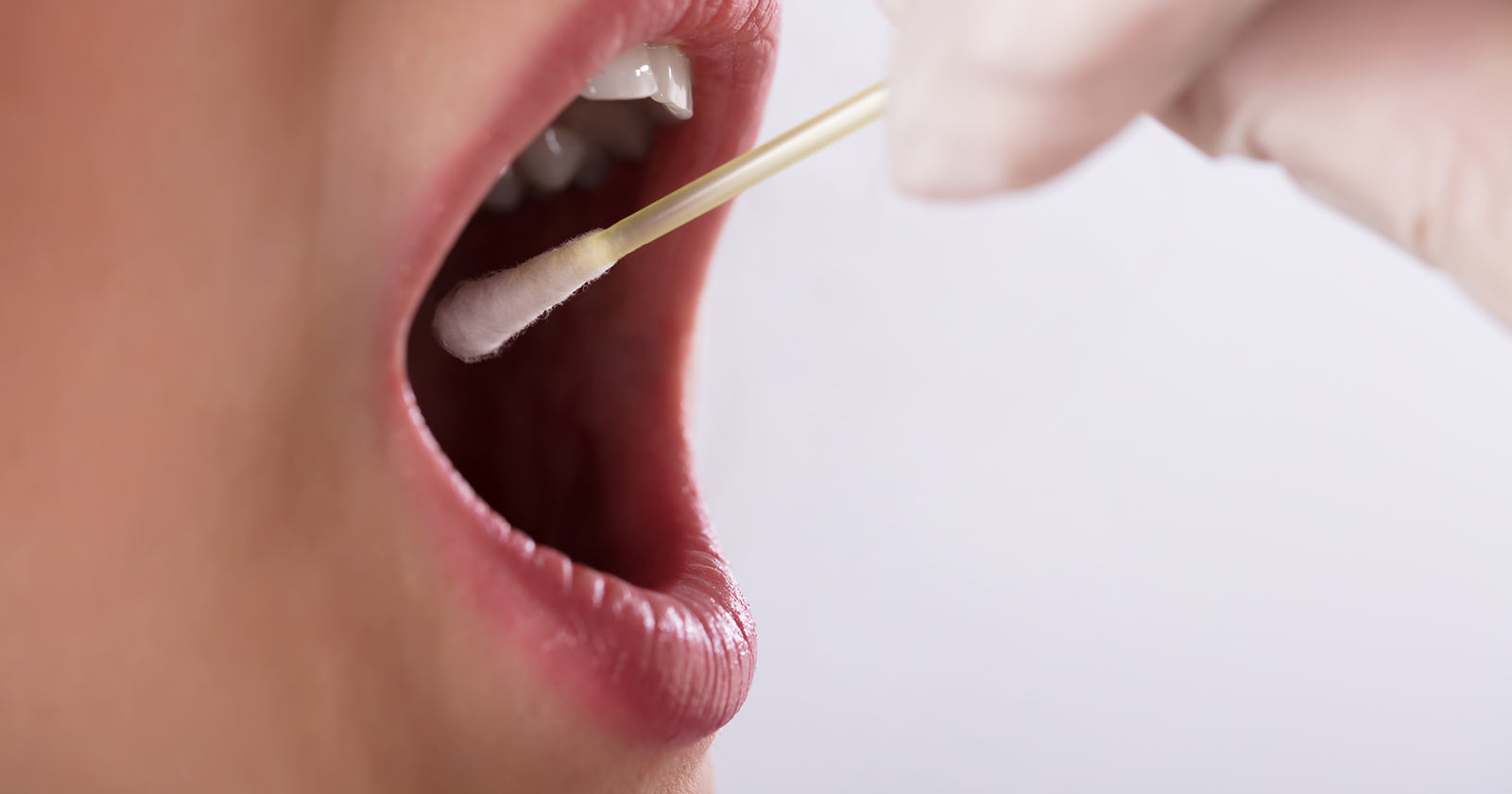
When it comes to workplace drug testing, the right approach depends on what an organisation needs to understand. While urine testing remains a well-established method for identifying drug use over preceding days, oral fluid testing offers a practical way to focus on more recent drug use.
For organisations operating in safety-critical environments, where timing can be crucial, this can make a real difference.
Oral fluid drug testing is increasingly popular because it offers a shorter detection window than traditional urine testing for many drugs, making it particularly useful when the focus is on recent use.
It also offers several practical advantages:
Together, these benefits make oral fluid an important option for organisations looking to strengthen their drug and alcohol testing programmes.
Oral fluid testing is particularly relevant in safety-critical and high-consequence industries, including aviation, transport, engineering and construction.
In these environments, employees may be responsible for operating vehicles or aircraft, maintaining critical systems or performing tasks where impairment could have serious consequences. A practical testing method that focuses on recent drug use can therefore play an important role in a wider workplace safety strategy.
OdiliaClark supports airlines and other high-consequence, time-sensitive industries through rapid oral fluid testing, including our DART service.
There is also growing recognition of oral fluid testing internationally. In the United States, the Department of Transportation has incorporated oral fluid as an alternative methodology within its regulated workplace drug-testing framework, including provisions relevant to aviation and other transport sectors.
Oral fluid testing is not necessarily a replacement for urine testing. The two methods serve different purposes.
Urine testing generally offers a longer detection window, while oral fluid testing typically focuses on a shorter period following drug use. Hair and nail testing can provide a much longer retrospective view.
The most appropriate method depends on the circumstances, the substances being tested for and the organisation’s objectives.
Rather than asking which test is best, organisations should ask: What do we need to know, and when do we need to know it?
Understanding that distinction is key to choosing a testing programme that aligns with your operational requirements and risk profile.
Whether you require random testing, for-cause testing, post-incident support or a rapid response following an incident, OdiliaClark can help you identify an appropriate drug and alcohol testing approach.
We provide testing through our trained professionals and support organisations looking to develop their own in-house testing capability through training and guidance.
When safety matters and timing is critical, choosing the right testing method matters too.
If your organisation needs a practical way to assess recent drug use, it may be time to review whether your current testing programme is giving you the information you need.


 Back to all