Win a Dräger
Alcotest 4000
Drug & Alcohol Testing Services
Our Solutions
Drug & Alcohol Testing Services
Drug & Alcohol Testing Types
4 minute read
News
How far back can a drug or alcohol test actually look? When the answer needs to go beyond the last few hours or days, hair and nail testing can provide a much longer-term picture.
At OdiliaClark, hair and nail testing is used as part of workplace drug and alcohol testing programmes where understanding historical substance use is important, from pre-employment screening and referrals to ongoing monitoring and pre-hire testing.
But what exactly does a hair or nail test tell you?
Hair and nail testing are forms of long-window drug and alcohol testing. Rather than looking for substances that are only temporarily present in urine or oral fluid, laboratory analysis looks for drugs, their metabolites, or alcohol biomarkers that have become incorporated into keratin, the protein that makes up hair and nails.
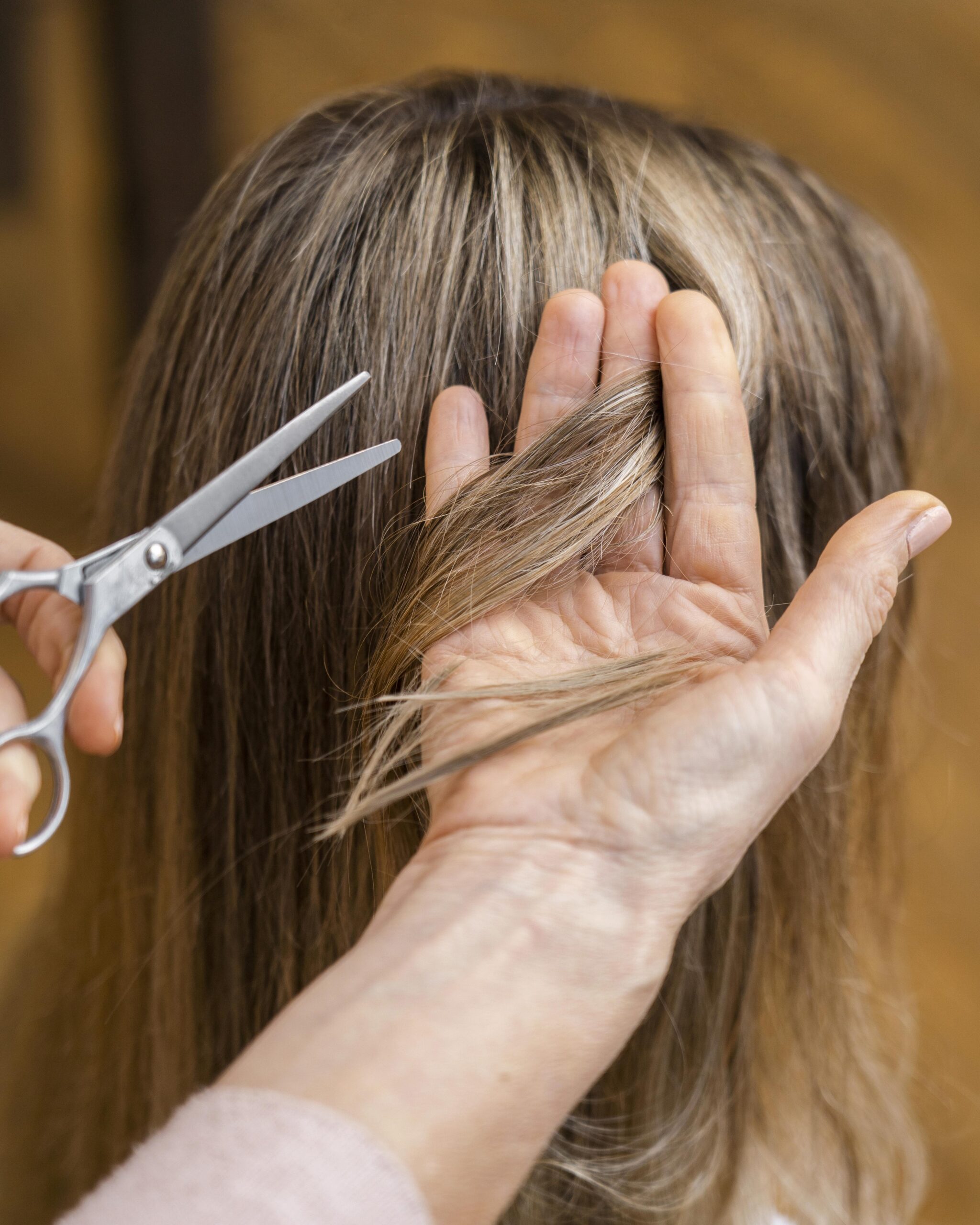
A sample can be taken from head hair or, where appropriate, upper-body hair, or from fingernails. The method selected depends on the individual and the testing requirement.
Hair testing can typically provide a detection window of around 3–6 months, depending on the sample and testing requirements. Hair grows at an average rate of approximately 1 cm per month, which means a suitable head-hair sample can sometimes be segmented to provide an estimated month-by-month picture of substance exposure.
Nail testing also offers an extended detection window, making it a useful alternative when sufficient scalp hair is unavailable or unsuitable. However, because nail growth is slower and more variable, nail testing is generally better understood as providing an overview of exposure over a period rather than an exact timeline of when use occurred.
A long-window test can answer a very different question from a conventional drug or alcohol test.
For example, an employer may use hair or nail testing for:
For safety-critical industries, this longer-term perspective can be particularly valuable. It isn’t simply about asking, “Have you used something recently?” It can help build a picture over a much broader period.
This is where the science and the safeguards around it really matter.
Once collected, samples undergo laboratory preparation and analysis. Hair and nail samples are washed before analysis to help remove potential external contamination. The laboratory then uses extraction and highly sensitive analytical techniques to identify relevant substances or biomarkers within the sample.
That leads to one of the questions we hear most often:
Simply being in the same environment as someone smoking cannabis should not, by itself, be interpreted as drug use.
The testing process considers the difference between external exposure and substances incorporated into the hair or nail through the body’s processes. Washing the sample and the subsequent laboratory analysis are important parts of distinguishing potential external contamination from evidence consistent with ingestion.
In other words: being near it is not the same as taking it.
Trust is not just about the technology. It is also about how the sample is collected, handled and documented.
Where required, testing follows a strict chain-of-custody process. Two samples Sample A and Sample B are clearly labelled and sealed in tamper-evident packaging in the presence of the donor.
Sample A is sent for analysis. Sample B is retained securely so that, if a result is disputed, an independent analysis can be arranged. This creates a clear audit trail from collection through to reporting and helps protect the integrity of the result.
For suitable head-hair samples, segmented analysis can provide a more detailed picture. Hair can be divided into sections, commonly based on approximately 1 cm of growth allowing scientists to assess different periods within the overall detection window.
It is important to remember that this provides an estimated timeframe, rather than an exact date of consumption. Body hair and nail testing are interpreted differently and are generally more useful for establishing longer-term exposure than pinpointing individual months.
Hair and nail drug and alcohol testing gives organisations another way to look beyond the limitations of short-window testing.
With professional collection, secure chain of custody and laboratory analysis, it can provide objective, defensible evidence over an extended period supporting safer recruitment, informed referrals, effective monitoring and responsible workplace drug and alcohol policies.
Because when it comes to workplace safety, sometimes you need more than a snapshot.
You need the bigger picture.






 Back to all