Win a Dräger
Alcotest 4000

Drug & Alcohol Testing Services
Our Solutions
Drug & Alcohol Testing Services
Drug & Alcohol Testing Types
4 minute read
News
Sometimes the first sign that someone is struggling isn’t what they say. It’s what they reach for.
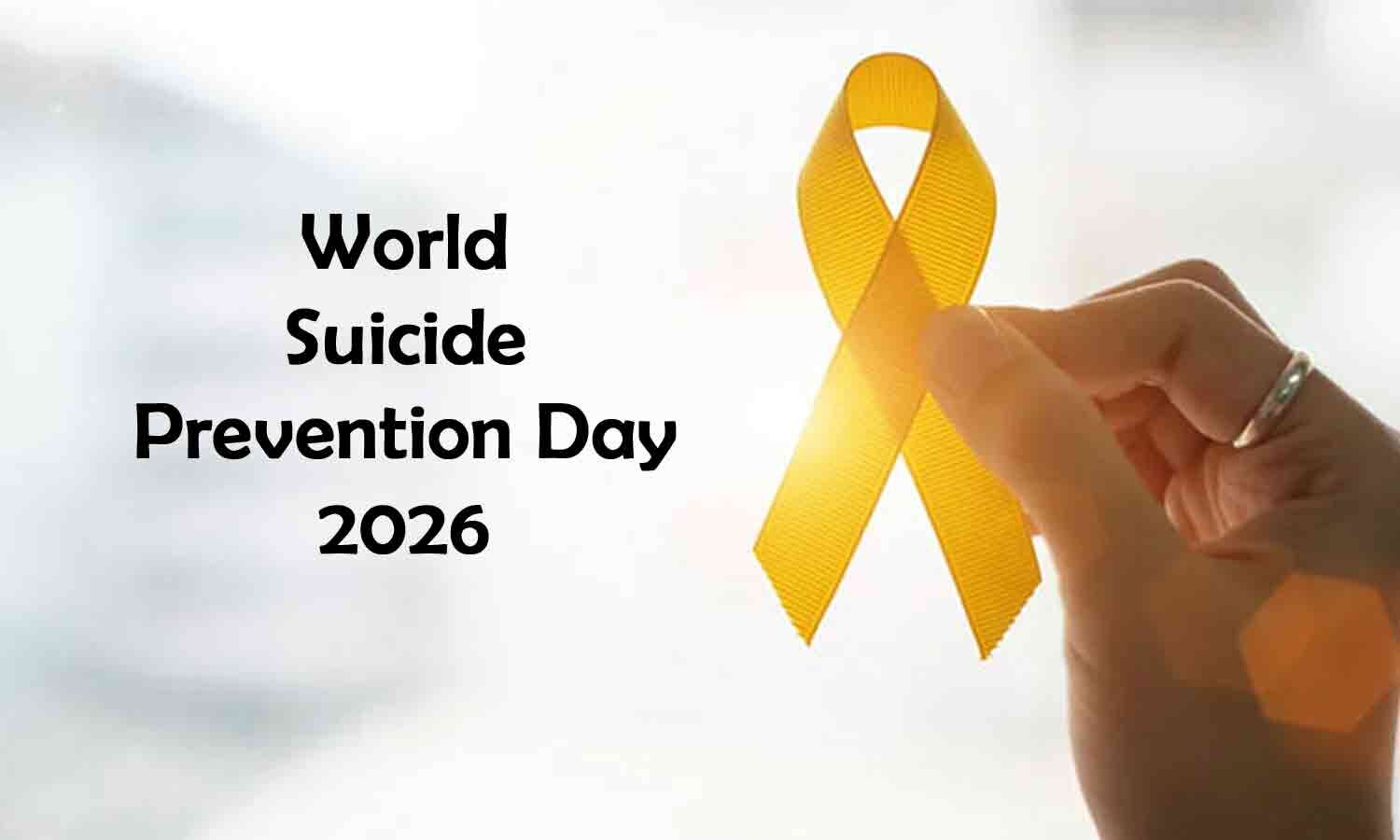
Today, 10th of September, marks World Suicide Prevention Day, a day dedicated to starting conversations that can quite literally save lives.
This year’s theme is “Changing the narrative on suicide”, with a simple call to action: Start the Conversation. And that conversation needs to include alcohol and substance misuse.
Because for some people, drinking doesn’t start with addiction.
It starts with coping.
A difficult day. A relationship breakdown. Financial pressure. Bereavement. Stress at work. Anxiety that won’t switch off.
One drink becomes a way to relax. Then another becomes a way to sleep. Eventually, alcohol can become the thing someone reaches for whenever life feels too difficult to handle.
The problem is that alcohol doesn’t resolve the feeling underneath it. It temporarily changes how we experience it.
And that can create a dangerous cycle.
We all use coping mechanisms. They’re the things we do to manage stress, difficult emotions and challenging situations.
Some are positive: going for a walk, exercising, eating well, talking to someone we trust, getting enough sleep or simply stepping away from a stressful situation.
Others can provide quicker relief, but come with a much bigger cost.
Alcohol can temporarily numb difficult emotions, but it can also affect judgement, impulse control and mood. The World Health Organization recognises a well-established link between alcohol use disorders and suicide, while alcohol intoxication can increase impulsivity and the intensity of suicidal thoughts.
And the statistics remind us why this conversation matters.
More than 720,000 people die by suicide globally every year.
In the UK, 9,809 deaths from alcohol-specific causes were registered in 2024. While these aren’t suicide figures, they demonstrate the scale of alcohol-related harm across the population.
Behind every statistic is a person. And behind that person is a story.
This is where workplace drug and alcohol testing can become about much more than a test.
A result isn’t a judgement on a person.
It can be a moment of recognition.
For someone who has been telling themselves “I’m fine”, seeing a result in black and white can be difficult. It can also be the moment they acknowledge that something has changed, and that they may need support.
That’s why a people-focused approach matters.
At OdiliaClark, workplace drug and alcohol testing isn’t simply about identifying a problem. It’s about recognising the person behind the result.
Because the most important question isn’t always:
“What did the test find?”
Sometimes it’s:
“What is happening for this person?”
A positive result shouldn’t automatically be viewed as the end of the conversation. It can be the beginning of one.
A conversation about support.
A conversation about wellbeing.
A conversation about what might be happening behind the scenes.
And, importantly, a conversation without shame.
We don’t always know what someone is carrying.
The colleague who seems quieter than usual.
The person whose drinking has gradually increased.
The employee who suddenly isn’t themselves.
The friend who keeps saying they’re “just tired”.
We don’t need to have all the answers. We just need to be willing to ask:
“Are you okay?”
And then genuinely listen to the answer.
Because changing the narrative around suicide isn’t just about talking about suicide.
It’s about talking earlier, about stress, alcohol, mental health, isolation, pressure and the coping mechanisms we use when life becomes difficult.
Sometimes a walk helps.
Sometimes dinner and a good night’s sleep helps.
Sometimes it’s a conversation with someone we trust.
And sometimes, we need professional support.
There is no shame in that.
This World Suicide Prevention Day, let’s start the conversation before someone reaches crisis point.
Because recognising that someone is struggling isn’t a weakness.
It could be the first step towards helping them find a healthier way through.
Talk. Listen. Support. Don’t judge.






 Back to all