Win a Dräger
Alcotest 4000
Drug & Alcohol Testing Services
Our Solutions
Drug & Alcohol Testing Services
Drug & Alcohol Testing Types
5 minute read
News
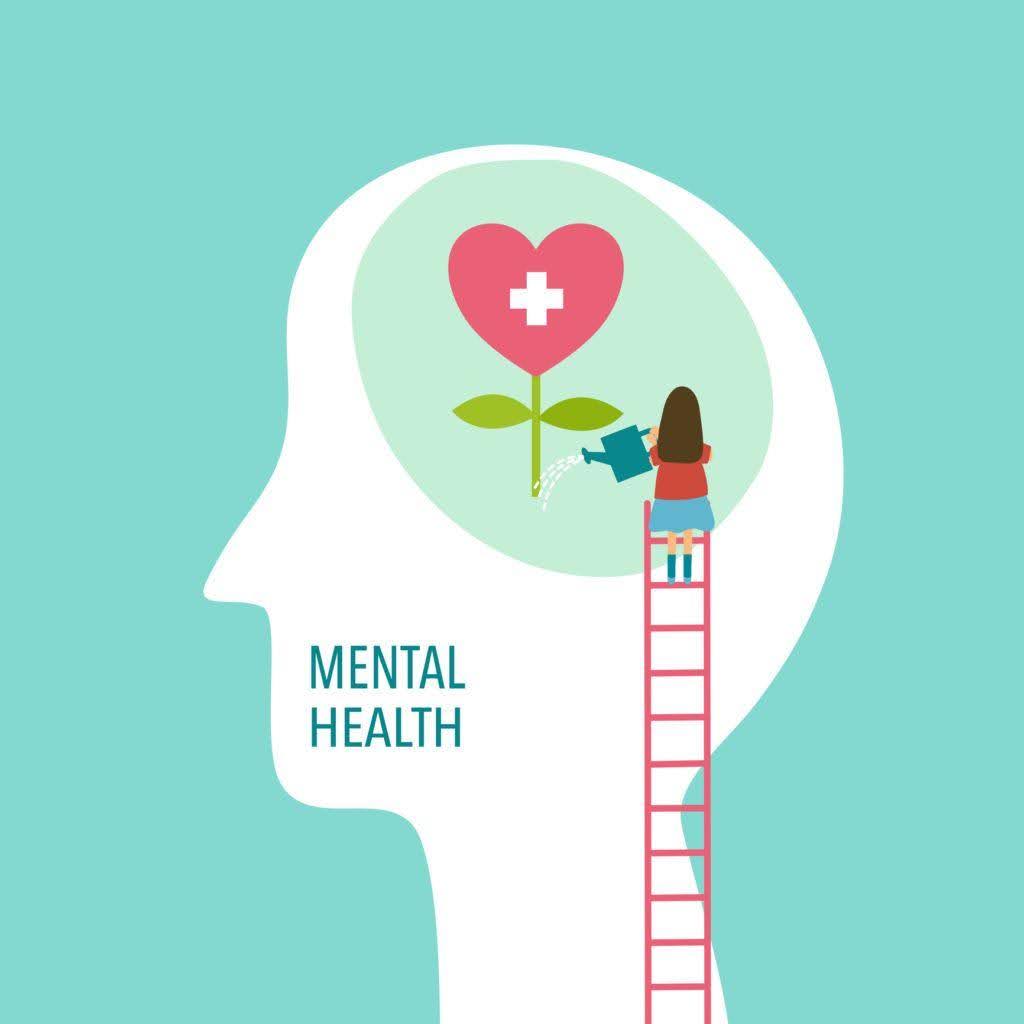
One of the biggest challenges facing any peer support programme is not awareness. It is barriers.
Most people understand the importance of wellbeing, mental health, and human performance. Particularly in safety-critical industries, there is growing recognition that people perform best when they feel supported and psychologically safe. Yet despite this, many individuals still hesitate before reaching out for help.
That hesitation is rarely because support is unavailable. More often, it is because barriers exist between the individual and the support being offered.
Those barriers can take many forms. Fear of judgement. Concerns about confidentiality. Worries about career impact or professional reputation. A belief that problems are “not serious enough” yet. Uncertainty about who will know. Or simply discomfort speaking to somebody within the same organisation.
In environments where professionalism, competence, and resilience are highly valued, these barriers can become particularly powerful. People may continue functioning operationally while privately struggling with stress, fatigue, relationship difficulties, financial pressure, burnout, or other personal challenges.
This is where peer support programmes play such an important role. At their best, they are designed specifically to reduce those barriers and make early conversations easier.
Trust sits at the centre of all of this.
If somebody does not trust a programme, they are unlikely to use it until problems have already escalated. In contrast, when people genuinely believe a programme is confidential, supportive, and independent, they are far more likely to seek help earlier.
That early intervention matters. Often, a conversation held at the right time can prevent issues from becoming significantly more serious later on.
Confidentiality is often the single most important factor influencing engagement with a peer support programme.
Many organisations state that their programmes are confidential, but trust is not built through policy statements alone. People need to believe it in practice.
That means confidentiality boundaries should be clearly explained and consistently applied. Individuals should understand what remains confidential, what escalation pathways exist, and under what circumstances information may need to be shared.
The way a programme is introduced also matters. If support feels heavily connected to management processes, investigations, or formal reporting structures, people may become reluctant to engage openly.
Good peer support programmes create a space where somebody can simply have a conversation without immediately feeling that they are entering a formal process.
One barrier that is sometimes overlooked is familiarity.
While some people are comfortable speaking to somebody within their own organisation, others may worry about internal visibility, workplace relationships, or speaking openly with somebody connected to their operation.
This is one reason why independent and multi-organisation peer support models can be particularly effective.
The ability to speak confidentially with a trained peer outside an individual’s immediate workplace often removes a significant psychological barrier. For some users, that separation creates a greater sense of safety and neutrality.
Within the Talk To A Peer (TTAP) programme, over 70% of users specifically request support from somebody outside their own organisation. That trend highlights an important reality: accessibility alone is not enough. People must also feel safe enough to use the support available.
Reducing barriers is often less about technology or processes and more about human psychology.
Another reason peer support programmes can be so effective is that conversations take place between people who understand the operational environment.
In safety-critical industries, many pressures are highly specific to the role. Fatigue, irregular schedules, operational responsibility, performance pressure, medical concerns, and workplace culture can all shape how somebody experiences stress or difficulty.
Speaking to somebody who understands those realities often changes the quality of the conversation.
Peer support is not therapy, and it is not intended to replace professional medical or psychological care where required. Instead, it provides an early, informal layer of support delivered by trained peers who understand the context in which people work.
Sometimes, simply feeling understood is enough to lower the barrier to asking for help.
Even well-designed support programmes can struggle if they are treated purely as a compliance exercise.
Trust is shaped long before somebody reaches out for support. It develops through culture, visibility, leadership behaviour, and everyday messaging within an organisation.
People notice whether support programmes are discussed openly or only referenced during times of crisis. They notice whether leaders speak positively about wellbeing and peer support, or whether conversations still carry stigma.
The organisations that tend to achieve the strongest engagement are often those that normalise support as part of everyday operational culture rather than presenting it as something only used during major personal difficulties.
That cultural shift helps remove one of the biggest barriers of all: the belief that asking for support is a sign of weakness.
There is no single feature that makes people trust a peer support programme.
Usually, trust develops through multiple factors working together: confidentiality, independence, good governance, trained peers, visible leadership support, and consistent culture over time.
For organisations implementing peer support programmes, the challenge is not simply creating a system that exists on paper. The real goal is building something people genuinely feel comfortable using.
Ultimately, successful peer support programmes are often the ones that remove barriers before somebody reaches crisis point.
Because when support feels accessible, credible, and safe, people are far more likely to reach out early, and that is where peer support can make the greatest difference.






 Back to all