Win a Dräger
Alcotest 4000
Drug & Alcohol Testing Services
Our Solutions
Drug & Alcohol Testing Services
Drug & Alcohol Testing Types
4 minute read
News
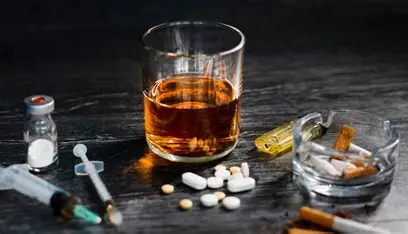
The word impairment is consistently thrown around, but what does that actually mean?
This article will break down the meaning of impairment and explore some of the myths vs facts that are commonly brought up.
Impairment is defined as the state of being weakened, or less effective, often affecting physical, mental, or functional abilities.
The reasons someone may be impaired can vary. For example, did you know if your employee is taking a little extra codeine for that back pain you already know about, yep, that is impairment. They are exceeding the prescribed dosage of medication. Medications are prescribed at a safe dosage, and abusing this can lead to impairment.
So, let’s take a look at some of the common signs of impairment. Some of these we all know a little too well:
Now, these symptoms might not seem too bad on a Friday night, but in the workplace, regardless of the role this puts both yourself and others at risk.
So, let’s dive into some myths vs facts and see how well you can differentiate between them.
Nope — FALSE.
Depending on the level and quantity consumed the night before, what was consumed, and what time the session ended, all of this can impact whether you are still impaired the next day. There is no “one size fits all” approach or magic trick to avoid it by only drinking dry gin!
Best-case scenario? If you know you need to be up and ready the next day, give yourself enough time for those levels to properly reduce.
FALSE.
A common concern for many, but if an OdiliaClark lifestyle test was conducted, the donor would be asked if they had any notes to add. Hair testing performs an exposure vs ingestion assessment while also accounting for external factors such as hair products.
So keep styling away!
TRUE.
Testing nowadays has greatly advanced and can now indicate how healthy or unhealthy your diet may be — including your vegetable intake.
Whether you’re chewing or sucking on a penny, I’m sorry to say this is FALSE.
The myth is that the copper and zinc alter the saliva and reduce alcohol detection. Either way, it’s probably best to stay away from putting pennies in your mouth altogether!
FALSE.
A positive breath test must always be followed by a second test to determine whether the reading is increasing or decreasing.
In relation to drugs, this is a much broader topic. A non-negative result does not automatically mean a positive result. A non-negative simply means something within that drug group has been identified, but further testing is required.
A laboratory confirmation test can then identify exactly what the non-negative result relates to, providing clarity for both employers and employees.
So, how many did you get right?
The internet is crawling with tips and tricks on how to pass or fail drug and alcohol testing. At OdiliaClark, we stress the importance of education, understanding why testing is happening and helping tackle some of the unique questions people may have.
Like:
“I have a friend…”
“I eat loads of poppy seed sandwiches…”
We all know the type.
Reach out to one of the OdiliaClark team to hear more about the types of testing we provide and how we are here to educate and protect both employees and employers alike.
We know drug and alcohol testing can feel intimidating, and the endless questions can become overwhelming. That’s why starting the conversation matters, helping you and your team stay informed, protected, and better prepared to tackle impairment within the workplace.






 Back to all